




President Donald Trump
How Trump’s ‘One Big Beautiful Bill’ Is Affecting Higher Ed
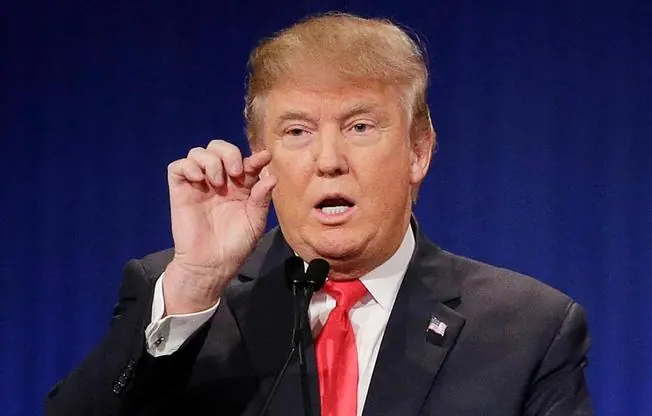
President Trump’s megabill, officially coined One Big Beautiful Bill, was officially signed into law on July 4th. Now, says the Duke Chronicle, some of the wealthiest colleges in the U.S. will now have to pay higher taxes.
They’ll be taxed on the money they earn from their endowments – their large investment funds built from donations and used to support things like scholarships, research, and campus operations. Some see the bill as a long-overdue fix to bloated systems, while others see this as a negative change that could reshape college access and affordability for years to come.
HIGHER TAXES, POTENTIAL HIGHER IMPACT ON STUDENTS
Previously, schools with large endowments paid a flat 1.4% tax on their investment income. Now, the bill introduces tiered tax rates up to 8%, depending on how much money a school holds per student. This means that wealthy private universities like Harvard, Yale, and Princeton could see their tax bills jump by hundreds of millions of dollars.
That’s a big punch for schools like Duke University, which expects to land in the lowest tier. This means shaving off a significant part of their budget. Predictably, they’ll have less funds going toward scholarships, research, and campus improvements.
The Joint Committee on Taxation estimates that this endowment tax will bring in $761 million over 10 years, says CNBC. They say that higher education experts caution that the new rates could trigger revenue shortfalls, forcing some schools to raise tuition, cut financial aid, or both – a ripple effect that would likely hit students the hardest.
The bill is also eliminating the Grad PLUS loan program, and caps lifetime borrowing for graduate and professional students at $100,000 and $200,000 respectively. That’s a sharp departure from current operations, where students can borrow any amount, up to their full cost of attendance. For the pricier programs, this could mean fewer students enrolling, or they may turn to private loans with less favorable terms.
© Copyright 2026 Poets & Quants. All rights reserved. This article may not be republished, rewritten or otherwise distributed without written permission. To reprint or license this article or any content from Poets & Quants, please submit your request HERE.


